
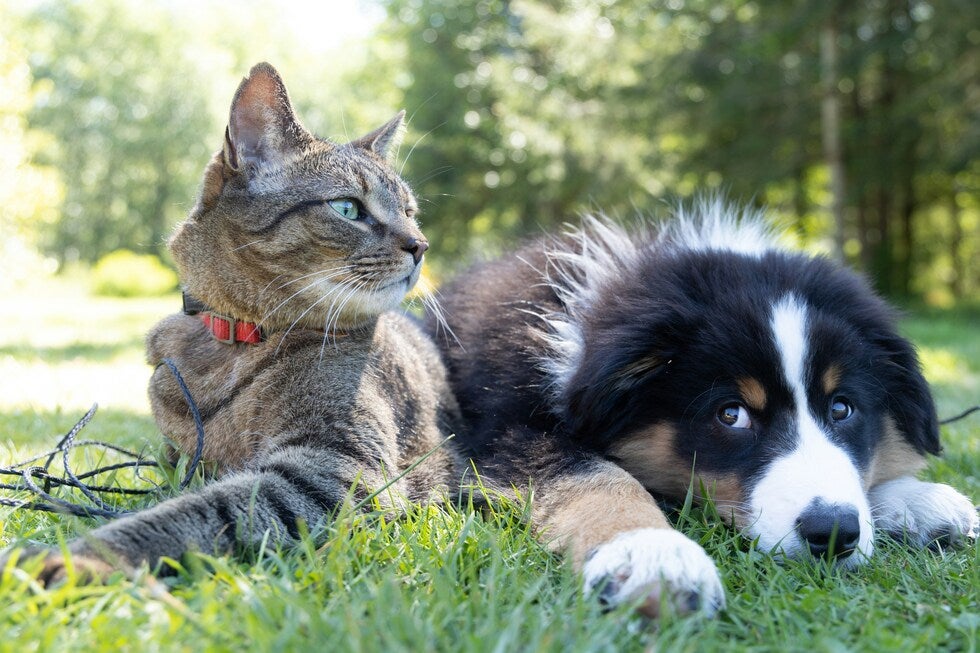
Pet dogs, cats and other animals have become an important part of American family life. It is not surprising that many people ask me about what will happen with the pets when they get divorced, how will the court handle that issue. This blog is written to generally address how the family courts in Michigan will decide what should happen with the pets or who should get them when it comes to a divorce. If you have specific questions regarding that issue, please do not hesitate to contact us to schedule a consultation by clicking on this link or calling (248) 608-4123.
What Happens To The Family Pet Animals In A Divorce In Michigan?
While pets are very near and dear to our hearts, the court treats them as chattel or property. So technically the dog, cat, bird or other animal is to be treated like any other property and divided equally. Of course you can't cut a dog in half, so that means one person would be awarded the dog and the other would be awarded other property to offset the cash value of the animal. If the little beast (what I call my dog sometimes) was given as a gift to one person or was owned by one person before the marriage, then it will be awarded to that person without any offset of other property or money.
This does not really seem satisfactory to many people, so in many cases the divorcing spouses will come up with more novel solutions or approaches. One such approach is to treat the pets as if they are children and arrange some sort of visitation schedule. This allows for both of the pet parents to maintain the emotional and psychological bonds they have formed with the animal and vice versa. These schedules can take many forms and they really depend on what will work for the pets and each of the divorcing spouses. Sometimes they will also share the expenses associated with the animal because pets can be expensive.
This is just one issue of many that you might face in a divorce or separation. If a potential divorce is in your future, you should schedule a consultation to understand the process and how you will be affected by it by clicking on this link or calling (248) 608-4123.
Comments
There are no comments for this post. Be the first and Add your Comment below.
Leave a Comment