
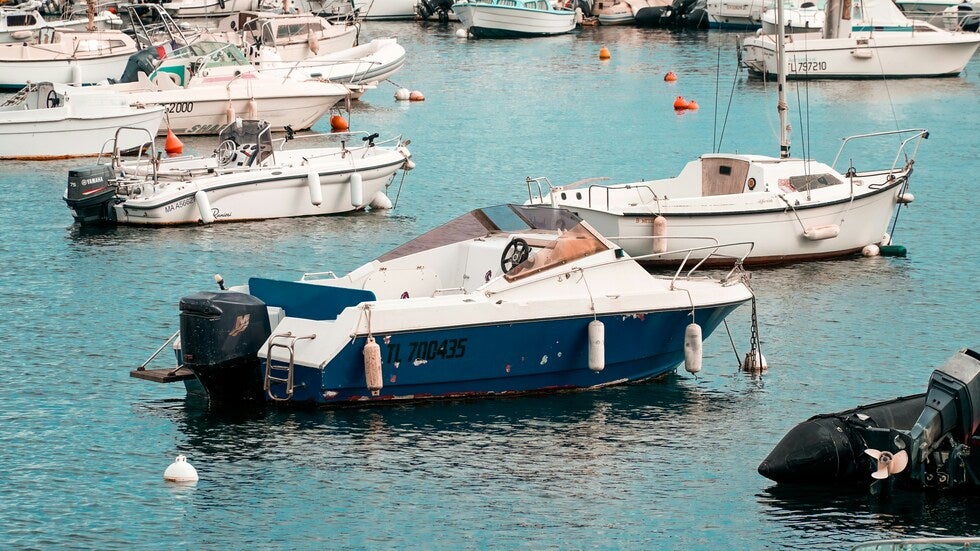
It is the time of year in Michigan when most of us are getting very tired of the winter weather and we start really looking forward to spring and summer. This is also the time of year when many people start strongly considering whether a separation or divorce from their spouse may be required. While there are so many different aspects and potential issues in every divorce case, one that is common to almost all cases is the division of property. Thinking ahead to summer, I write this blog to generally address what will happen with a boat or boats when people get divorced in Michigan, if you have specific questions regarding your own situation, please do not hesitate to contact us to schedule an appointment by clicking on this link or calling (248) 608-4123.
What Happens With A Boat In A Divorce In Michigan?
When we are dividing the property between divorcing spouses in Michigan, the law directs us to first consider and categorize the property that is owned by either spouse as marital or separate. All property that is deemed to be marital is subject to an equitable or roughly equal division while separate property is considered to be the sole property of just one spouse and generally not subject to division or offset of other property/assets. This begs the question how does the court determine what is marital or separate.
Marital property includes the vast majority of most property owned by a married couple. Marital property is generally any property, money, accounts or anything else of value that comes to either party during the marriage unless it falls into one of the very specific categories of separate property. Separate property is limited to the following categories of property: premarital property that one spouse has kept separate and not commingled with marital property, gifts to one spouse specifically and not both, and inheritances that have been kept separate.
To determine what happens with the boat, if it is separate property, then it is awarded to the boat owner spouse and there is no offset of other property or assets. If it is marital property, then it may be sold and hopefully the parties split some proceeds from the sale. Unfortunately, if there is an outstanding loan on the boat and the spouses cannot sell it for more than is owed, they will most likely share that liability and have to pay the deficiency at the closing of the sale of the boat from joint funds.
Ideally one spouse will want to keep the boat, in that case that spouse will assume the loan on the boat, remain responsible for payment of the same, and hold the other spouse harmless from any liability associated with the boat or the loan. If the boat is worth more than is owed, the spouse that keeps the boat will owe the other spouse half of the equity in the boat which will be either offset with other property, assets or cash. If the boat is "underwater" when it comes to the loan, typically the spouse that keeps the boat is not credited for that loss because they get the enjoyment of using the boat.
This blog was written to broadly address the question of what happens to a boat in a divorce or separation in Michigan. If you have questions about a potential divorce in your future, contact us to schedule a consultation by clicking on this link or calling (248) 608-4123.
Comments
There are no comments for this post. Be the first and Add your Comment below.
Leave a Comment