
Photo by Jameson Draper on Unsplash
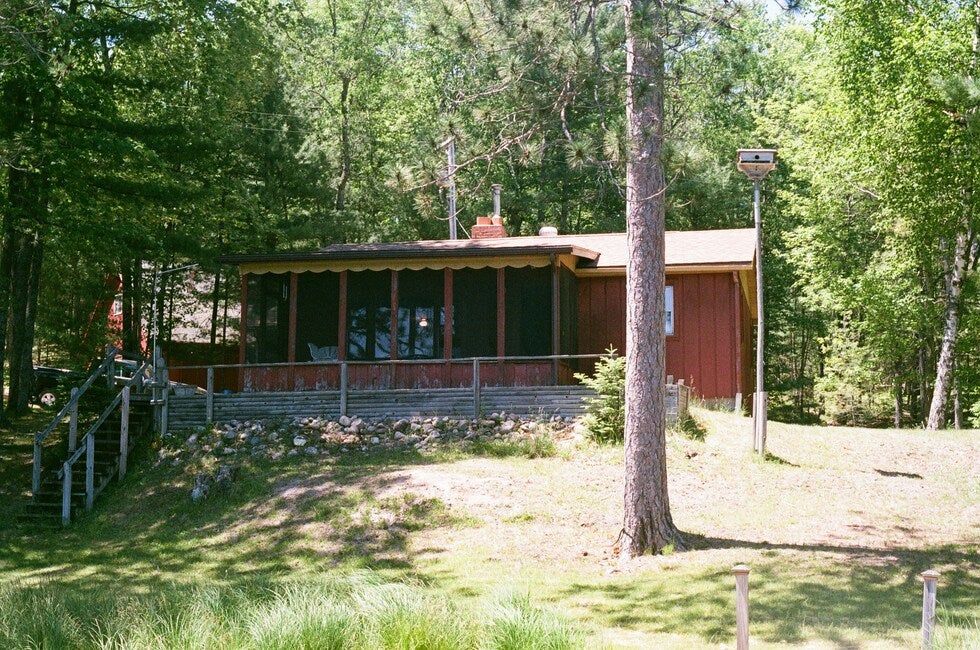
There are many people in Michigan that have cottages "Up North" that have been in the family for generations. I am writing this blog to generally explain what will happen to a family cottage, deer camp, retreat or other land that has been in the family of one of the spouses, not a cottage that has been purchased by the divorcing couple. If you have questions regarding a potential divorce or separation, please contact us to schedule a consultation by clicking on this link or calling (248) 608-4123.
What Happens To A Family Cottage In A Divorce In Michigan?
The answer to this question really depends on a number of factors. First, does the divorcing spouse have actual title or an interest in the property or is it still titled in the name of the parents or other relatives. If the divorcing spouse does not have some sort of title interest, then the cottage does not become part of the divorce and stays the property of whomever does have title at the time of the divorce. It is not enough that the person stands to inherit the property, either alone or with other family members, it only matters if the person currently has title or an interest in the land. If the land is held by a family company for purposes of estate planning, then the question is does the person have shares in the family company, if so, then they have current title or interest in the land, if not, then it is not going to be part of the divorce.
Assuming the divorcing spouse does have some sort of current title or interest in the cottage at the time of the divorce, then it must be determined whether this property is still separate property of one spouse or was the property somehow comingled with other marital property, money or assets (such as paying for upkeep, taxes or improvements with marital funds) then it may have lost it's nature as separate property. if there has been no commingled, then most likely the divorcing spouse that has the interest in the property would be allowed to retain it as their sole and separate property without having to "pay out" the other spouse for their equity in the cottage.
If however, it has been commingled or otherwise becomes marital property, then the the spouse whose family does not own the cottage is entitled to 50% of whatever value the spouse whose family owns the cottage has in the cottage or property. So for instance if there are four family members who own the property then each brother is entitled to 25% of the overall value of the property. This means that the spouse whose family does not own the cottage is entitled to 50% of 25% of the overall value of the property. So in this example, if the cottage is worth $100,000 and there are no outstanding liens on the property, then each family member has an interest in the property worth $25,000, so the spouse whose family owns the cottage will have to pay $12,500 to the other spouse to "buy-out" their equity in the property in the divorce case.
This can be a complicated area of family law and it is wise to have a good attorney to guide you through it. If there is a potential divorce or separation in your future, please do not hesitate to contact us to schedule a consultation by clicking on this link or calling (248) 608-4123.
Comments
There are no comments for this post. Be the first and Add your Comment below.
Leave a Comment